


With its diverse transportation system, lively streetscapes, and colorful textures, the most fascinating aspect of the Disney movie “Zootopia” is its architecture.
“Zootopia” production designer Matthias Lechner takes iconic elements in art history to illuminate fictional towns where the movie is set: Little Rodential, the Natural History Museum, and Zootopia Central Station into a vibrant universe through the lighting, horticulture, and layout.
Taking inspiration from powerhouse metropolises around the globe, including New York, London, Russia, and Madrid, the city of Zootopia opens with horn-shaped gates. Protagonists Judy and Nick take a rainforest gondola. Animals float on ice floes in the Arctic Tundra.
Outside of the digital space, countless civil engineers, urban planners, and architects work to craft the most intricate projects in cities and towns. Oftentimes, when one thinks about architecture, historic basilicas, skyscrapers, and monuments come into mind — Hagia Sophia. Burj Khalifa. Pisa.
However, learning about the building makeup of our own homes is just as fascinating and eye-opening. Their construction and layout directly affect our energy usage, quality time with family, and contribution to climate change. Examining architecture across the globe is an eye-opening experience in how communities are tackling similar questions through different approaches. One can play an active role in sustainability.
Sustainability and community
In Ontario, Canada, EVE Park is “Stylish, Sustainable, Surprisingly Attainable.” The first residential community to power every car and building through the sun, EVE Park is the premier net-zero community that generates as much renewable solar energy as it produces.
Project Leader Ashley Hammerbacher explained EVE stands for Electrical Vehicle Enclaves — prioritizing transportation, walkability, and mobility. Cultivating shared spaces with neighbors, EVE Park tackles climate change by implementing creative elements and addressing sustainability’s biggest challenges.
Buildings are major contributors to climate change, with space heating producing a large share of fuel consumption. According to the National Resources Defense Council, they account for 28% of global emissions by releasing heating oil, propane, and fracked natural gas.
The standout feature of EVE Park is its solar panels—every grid connects the 84 households with clean energy, air quality, and a healthy interior lifestyle. Outside of the most visible sustainability practices, what makes a building sustainable comes from its invisible elements—what we cannot see.
“EVE Park is figuring out how to bring technology into the community to facilitate a sustainable lifestyle. A lot of [sustainability] is actually in the walls,” Hammberbacher said.
EVE Park implements heating and cooling systems through an all-electric design. They use air-source heat pumps, which are low-cost, safer than fossil fuel-powered energy, and efficient in cold climates. EVE Park installs induction cooktops to conserve cooking energy as well.
“The electricity we use for our buildings is pretty clean—it’s got 50% nuclear energy, 20% hydroelectric energy, 10 to 12% renewable energy, and then some natural gas,” Hammberbacher said.
Outside of the buildings, EVE Park blooms in green through foodscaping—gardens that provide aesthetic and nutritional benefits. Apple trees, fruit bushes, and tea bushes surround orchards outside residential areas. These plants are drought-resistant and promote a biophilic design — the idea that humans seek to connect with nature, inspiring the clever usage of space.
An intriguing characteristic of EVE Park’s layout is the circular buildings, which contrast with modern rectangular structures. This creative format creates an open outdoor space for congregation and frees up spaces traditionally used for roads and freeways.
EVE Park additionally has a car-sharing program for electric vehicles. Offering different rental plans, this initiative replaces infrastructure like suburban garages and driveways with courtyards and gardens that families can enjoy outside their doorsteps.
When envisioning a future of self-autonomous driving vehicles, Hammberbacher is inspired by Ferris wheel and carousel parking designs. She notes that countries like Japan and Singapore use outstanding technology to innovate parking spaces. This dynamic tension between height and breadth applies to other architectural models, such as installing vertical gardens compared to traditional planting methods in homes and facilities.
“I was once looking at a project in Hawaii, where they were using big fans to circulate air; student performance was dropping during the hot months,” Hammberbacher said. “Instead of embedding an air conditioning unit, using a fan made a huge difference in dropping the temperature and making it more comfortable for the students.”
Depending on the geographical context of a region, every project requires different technology. Solar power works best in open spaces for commercial or residential buildings, however, it isn’t as effective in forestry areas with limited sunlight. Wind power is dependent on the climate and weather of an area. Finding the most suitable material and method for the energy of an environment brings harmony.
Sustainability and Change
Take Papua New Guinea, for example. GenSea member Ani Nao is an ocean and environmental advocate. She is a trailblazer in Papua New Guinea, recognized for her work in mangrove reforestation, integrated farming models, and establishing Locally Managed Marine Areas in rural communities.
“Most of the buildings in our city, particularly those used by large corporations, are constructed using steel, glass, iron, and concrete,” Nao wrote. “Port Moresby city is characterized by numerous hills and remains relatively dry throughout the year.”
Port Moresby is the capital of Papua New Guinea. Located in a coastal area, the city is vulnerable to climate change. According to the UN-Habitat report, during the December to March wet season, extreme rainfall, flooding, and tropical cyclones affect infrastructure, drainage systems, and fresh food sources. During the June to September dry season, the lack of water challenges the city’s energy and economic supply.

Photo courtesy of LA Times
Hence, equipment and technology are crucial when preparing and educating communities for climate response.
“Find out what’s best for your community. We always look to see the energy makeup of this area, what the resources are like, and figure out what’s best for the area,” Hammberbacher said.
Sustainable vernacular architecture structures buildings to environmental conditions while fulfilling social demand. Papua New Guinea architecture uses materials such as sago palm to provide roofing, bamboo to withstand earthquakes and extreme weather conditions, and hardwood to strengthen durability. These materials build climate resilience within a community, while also deepening spiritual and historical connection to the local area.
For example, Yam Houses in the Trobriand Islands are storage buildings that feature symbols of wealth and hierarchy. Other ceremonial spaces include Haus Tambaran and the Bride-price ceremony. Many rural houses in Papua New Guinea are open to new construction techniques, expressing an interest in running water and electricity. Modifying and creating architecture is contingent on preservation and adaptation.
Sustainability and Creativity
On a broader scale, architectural endeavors continue to expand the boundaries of human creativity and problem-solving. In China, Huizhen High School was named the World Building of the Year at the 2023 World Architecture Festival. The campus contains floating forests, an open-air lecture hall, and a rooftop park, exuding freedom, reflection, and luminosity. Beyond this design, Azure Magazine showcases revolutionary projects of the year. In Bordeaux, France, helium balloons float above the Simone-Weil Bridge. Fly over to Denver Colorado and visit the first carbon-positive hotel called Populus.
Sustainability isn’t just limited to large-scale development ventures; it can begin with youth initiatives, from river cleanups to engineering prototypes to artistic activism. Through these activities, we can explore how our lifestyle and environment ultimately shape our health and happiness.
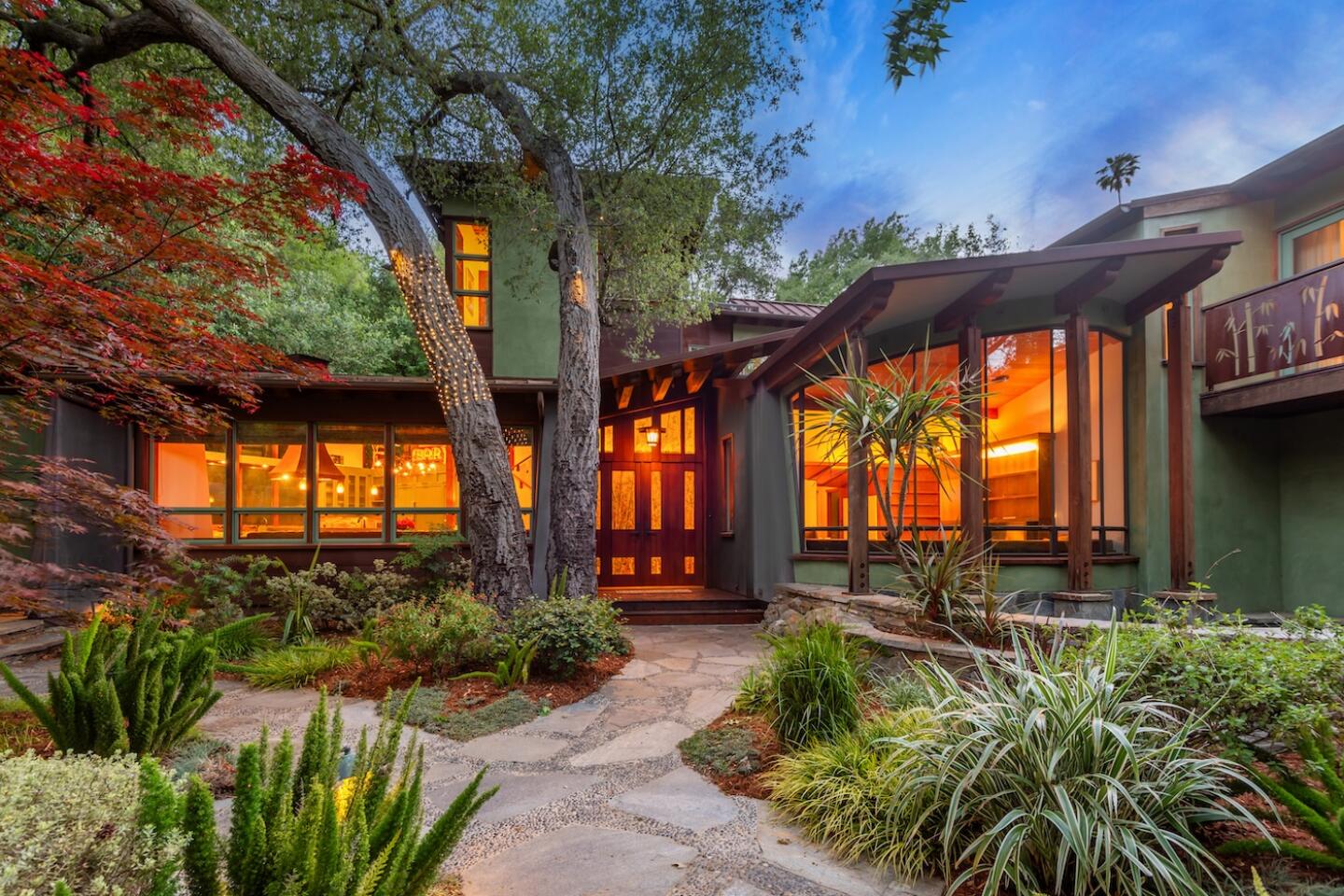
Photo Courtesy of LA Times
“When I was in high school, I worked on a composting program with our city going door to door,” Hammberbacher said. “To this day, I’m super passionate about composting. In our company, sustainability is crucial—designing and building people’s homes—making those sustainable—that’s a good reason to go to work every day.”


